Posted by Jonathan Campbell on Fri, Apr 16, 2010 @ 12:57 PM
Last year Americans spent 25% less on dental care than the year before. Many view dental treatment as elective, especially cosmetic dentistry, like tooth whitening, veneers, and braces. Treatment of common dental diseases should not be delayed. Cavities and gum disease if allowed to progress are more expensive to treat and can cause pain and discomfort that can lead to unexpected absence from work. But what about a less than perfect smile? Can it wait?
Diane Umansky, in First for Women, reports that "Smiling helps individuals present a positive image to others, allowing them to gain more respect. Smiling also helps calm the body and make more resistant to stress and pain. In addition, it promotes an overall positive feeling which allows people to find more enjoyment in all their activities." 90% if people rank the appearance of a person's teeth as very important. So arguably a smile that you can be proud of should not wait. But cosmetic dentistry can be expensive.
That's why its important to identify the specific things that need to be changed and to make the improvements needed to have a smile that adds and doesn't detract from your appearance. Generally people notice teeth that are very yellow, a tooth that is not the same color as its neighbors, a missing tooth, and teeth that are very crowded or have gaps. While full-on veneers or braces might be the best way to solve these problems. There are alternatives.
Teeth whitening, even over the counter, can lighten your smile inexpensively. Bonding can, can change the shape of teeth. Reshaping the teeth can help. Maybe just doing 1 or 2 veneers instead of 8 or 16 might be enough to make the difference. The point is you can make some simple changes that can make a big improvement for not too much money.
---------
Jonathan Campbell, DDS, is a dentist in Salt Lake City. His practice continues to thrive in this challenging economy. Part of that success is being able to help many patients achieve a more attractive smile relatively inexpensively.
Posted by Jonathan Campbell on Sun, Mar 07, 2010 @ 11:04 AM
Many things are added to teeth whitening gels. They are usually added to decrease sensitivity, or improve whitening results. We'll discuss what they are and if you should consider them.
- Potassium Nitrate-This agent decreases sensitivity by temporarily affecting the nerve in the tooth. It is commonly found in sensitivity toothpastes. If you're teeth are sensitive prior to whitening or while whitening, you should definitely consider a whitening gel that has this additive.
- Fluoride- Fluoride is generally added to whitening gels to decrease sensitivity. It works by creating assisting remineralization which blocks open channels to the nerves. I have not found it to be a very effective desensitizer. It will help if you are prone to cavities. So its not completely useless, but not necessary.
- ACP (amorphous calcium phospate)- This molecule is readily used to block open channels to the nerves and can help with sensitivity and cavity prevention. It also makes teeth look shinier. It can be a helpful adjunct. ACP is also available, as Recaldent, separately in many chewing gums (Trident) and MI paste. Using these products can decrease your risk for cavities and tooth sensitivity.
- Blue Covarine and other ingredients with optical properties-If you look at a color wheel the opposite of yellow is blue. So if you could somehow add a tinge of blue-purple to a tooth it would look whiter. The research seems to support this. This is usually not added to teeth whitening and bleaching gels but can be found in some toothpastes and in gels used after whitening to enhance the results.
- Detergents-Detergents remove stains from teeth. They can be found in toothpastes and products like power swabs.
That's a lot of decisions to be made. What we all want is for the process to fast, predictable, and painless. With all of these additive options your dentist should be able to design a teeth bleaching process that meets those goals. However sometimes to get the teeth whitening results you want it will require veneers or bonding. Chemical teeth whitening can only do so much. In our next article, we'll discuss the options we offer in our office and what we've found works.
-----
Jonathan Campbell, DDS is a dentist in Salt Lake City. He and his partners offer cosmetic dentistry, sedation dentistry, implant dentistry, and general dentistry.
Posted by Jonathan Campbell on Thu, Mar 04, 2010 @ 06:16 PM
In the last post on teeth whitening, you hopefully learned why you should consider carbamide peroxide vs hydrogen peroxide. In general, carbamide peroxide is a better choice for at home whitening.
Depending upon the manufacturer, carbamide peroxide is available in many different strengths. So which one should you choose? I will use Ultradent's product line because they are a Utah company and the owner, Dan Fischer, is a Salt Lake City dentist, that got his start in the same professional office building where we are located. So we have some allegiance. Though many other companies offer similar concentrations and products.

Opalescence Teeth Whitening Gels come in 4 different strengths: 10%, 15%, 20%, and 35%. Choosing your strength depends on how you plan on using your trays. The most effective way to whiten is with a custom made dentist tray worn while sleeping. While sleeping you make less saliva. Saliva will rinse away the whitening gel. If you can see yourself, sleeping with a tray, then you should consider 10-15% strength as it will allow you to whiten overnight without burning your gums.
On the other hand if wearing the trays at night isn't likely to happen then 20%-35% should be used. 20% is designed to be worn for 2-4 hours, and 35% is designed to be worn for 30 minutes. Personally, I really like the idea of wearing the trays the 35% for 30 minutes, but have found that after 30 minutes I get some irritation of my gums.. So I stick with 20 minutes and it seems to work well without the irritation.
In our next article, I'll talk about some of things that are added to whitening gels.
----------
This article was written by Jonathan Campbell, DDS. Dr. Campbell is dentist in Salt Lake City.
Posted by Jonathan Campbell on Thu, Feb 18, 2010 @ 09:20 PM
There are dozens of different whitening gels available over the counter and at your
dentist's office. How are they different? How should you or your dentist choose one gel over another? This blog aims to answer those questions.
Carbamide Peroxide or Hydrogen Peroxide?
Whitening gels active ingredients are either Carbamide Peroxide or Hydrogen Peroxide. The active whitening agent in both gels is hydrogen peroxide. Carbamide peroxide works by breaking down to hydrogen peroxide. So why not just get a whitening gel with hydrogen peroxide? One reason is that the shelf life of hydrogen peroxide is shorter. Further, carbamide peroxide breaks down slowly to hyrdrogen peroxide so using carbamide peroxide is like using a time release whitening gel. This is helpful for those patients that want to whiten at night. Whitening at night, is more effective as you produce less saliva to rinse out or dilute whitening gel.
So you should use carbamide peroxide if you plan or are able to whiten at night and hydrogen peroxide if you plan or have to whiten during the day. One thing to remember is to check the expiration date. Whitening gels, especially the hydrogen peroxides, are agents where they really become less effective the longer they've set on the shelf. Ideally, peroxides would remain refrigerated to preserve effectiveness. Your dentist is best equipped to help you make this decision.
Up Next: What Percentage of Tooth Whitening Gel Should You Use?
Posted by Jonathan Campbell on Mon, Feb 15, 2010 @ 11:00 AM
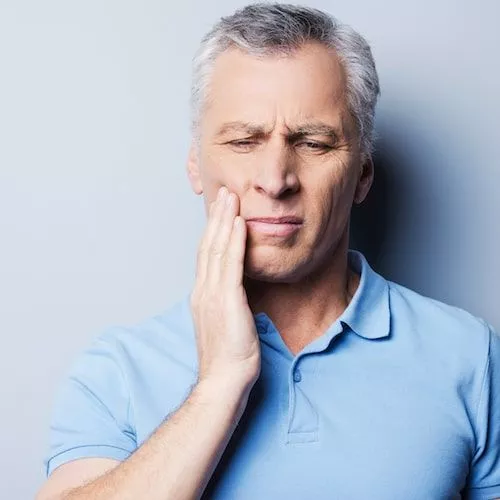
Why does teeth whitening make your teeth sensitive?
Teeth are like an M&M. They have a hard outer layer called the enamel and a softer layer inside called the dentin. Dentin has nerves. Exposed dentin is sensitive. Tooth whitening temporarily makes enamel more permeable microscopically exposing dentin.
Also teeth whitening trays can put orthodontic forces on your teeth making teeth sensitive. If you have ever worn braces, you know that it made your teeth sore. Whitening trays do not move teeth, bu they do apply pressure. That pressure can make teeth sore.
Whitening gels can cause chemical burns on gums. If a tray is poorly fabricated it will allow the whitening gel to leak out and onto the gums causing irritation.
The good news is that many of these causes of tooth whitening sensitivity are preventable, treatable, and reversible.
How do I prevent or treat tooth whitening sensitivity?
The first thing is to treat any tooth sensitivity prior to beginning whitening. If your teeth are already sensitive, tooth whitening will likely make it worse. Your dentist can help to identify why your teeth are sensitive and treat them accordingly. Common causes include exposed dentin from gum recession or tooth wear, cavities, and clenching or grinding your teeth.
2 of the causes of whitening sensitivity, pressure from the whitening tray and gum irritation, are caused by a poorly fitting tray. Making a well fitting tray requires an accurate impression and model, and attention to detail in the fabrication process. An over-the-counter do-it-yourself tray will whiten your teeth, but you can expect more sensitivity because of the less than perfect fit.
Tooth whitening will temporarily cause microscopic exposed dentin. This is reversible. Once you stop whitening the sensitivity will go away. But while whitening you can use these strategies to alleviate sensitivity:
- a NSAID medication like ibuprofen taken prior to each whitening session will help
- consider wearing your trays for a shorter period of time or using a lower concentration of whitening gel
- use a desensitizing toothpaste that contains potassium nitrate, Sensodyne is an example
- use a dentist dispensed product like MI paste or others to block exposed dentin between whitening procedures
Talk to your Dentist
Most of the sensitivity caused by tooth whitening is preventable and treatable. Your dentist should be able to help guide you through the tooth whitening process comfortably.
---
The Salt Lake City dentists at Legacy Dental offer tooth whitening including; at-home tooth whitening, in-office tooth whitening, and Kor Whitening deep bleaching.
Posted by Jonathan Campbell on Sat, Jan 09, 2010 @ 05:30 PM
The most common request I get is to make a patient's teeth whiter. Based on the number of over the counter products, gums, mints, etc white teeth are a priority. And they should be. The color of your teeth is one of the first things people notice when evaluating your smile.
So what works? The first thing is a dental check-up. There are some stains that are associated with discolored fillings and cavities that won't whiten.
Chewing gums-won't whiten teeth but Trident's gums with Recaldent can help prevent cavities.
Toothpastes-won't whiten teeth, but can help to keep teeth from getting discolored. Whitening toothpastes are generally more abrasive so you have to be careful, especially if your gums have receded.
Paint on whitening gels-These don't work because they don't stay on your teeth long enough.
Whitening strips get my approval, but can be difficult to use, but if you persist your teeth will get whiter.
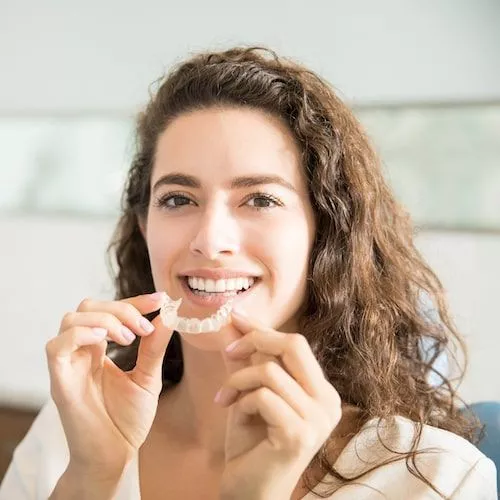
Do-it-yourself whitening trays- I have mixed feelings about these as I worry about the potential to cause damage to your gums. But they should get your teeth whiter.
Custom whitening trays-We give these a thumbs up. They allow whitening while you sleep which is more effective than while you're awake since you do not produce as much saliva which dilutes the whitening gel. They fit precisely so they do not allow as much of the gel to escape.
Laser whitening, light assisted whitening, and in-office whitening-These methods can be helpful in jump-starting the process. Every split mouth study (they whiten half the mouth with the light and half without) show that the light or laser is an unnecessary part of the process. For the money, I think the results you get from laser whitening are disappointing. If however, you need your teeth whiter tomorrow or have tried at home methods and can't stick with it, laser whitening or in-office whitening should be considered.
Zoom Whitening and BriteSmile- As near as I can tell, from unbiased research, there is nothing different about these approaches compared to other in-office whitening approaches. We'd like a teeth-whitening magic bullet. There isn't one.
Deep Bleaching-This is a combination of in-office and at-home teeth whitening. This method offers the most predictable and impressive results.
In a future article we'll address whitening sensitivity, how often to whiten, is it permanent, and other common questions.